BEFORE 2024
—Luke-Acts (ESV Reader’s ed.) (#95)
—Colin Whitehead, The Intuitionist
—Orson Scott Card, Lost and Found
—Naomi Alderman, The Future
—Alan Jacobs, In the Year of Our Lord 1943
—Ezekiel, Daniel, The Twelve (ESV Reader’s ed.) (#90)
—Matt Haig, How to Stop Time
—Emily St. John Mandel, Sea of Tranquility
—Adam Roberts, The Death of Sir Martin Malprelate
—Neil Gaiman, Stardust
—Taylor Jenkins Reid, Daisy Jones and the Six (#85)
—Orson Scott Card, Ender’s Game
—Neil Gaiman, Anansi Boys
—Michael Lewis, Going Infinite
—Michael Connelly, The Night Fire
—Ellen Ullman, Life in Code (#80)
—Ian M. Banks, Surface Detail
—Thomas Freidman, From Beirut to Jerusalem
—Wallace Stegner, Angle of Repose
—Amy Stewart, Girl Waits with Gun
—Poetry, Mark, General Epistles (ESV Reader’s ed.) (#75)
—Michael Connelly, Desert Star
—Michael Connelly, The Dark Hours
—Connie Willis, The Road to Roswell
—Ellen Ullman, The Bug
—John Scalzi, The Last Emperox (#70)
—John Scalzi, The Consuming Fire
—Melissa Korn and Jennifer Levitz, Unacceptable
—John Scalzi, The Collapsing Empire
—Andy Weir, Artemis
—Juan Gomez-Jurado, The Red Queen (#65)
—Tom Bailey, The Grace that Keeps this World
nf Eliot Peper, Bandwidth
—Joan Didion, The Year of Magical Thinking
—Richard Russo, Empire Falls
—Historical Books II Kings-Esther (ESV Reader’s ed.)
—Donna Tartt, The Goldfinch (#60)
nf Madeleine Miller, The Song of Achilles
—Cory Doctorow, Red Team Blues
—John McPhee, Tabula Rasa
—Andy Weir, The Martian
—Peter Heller, The Last Ranger
—Isaiah, Jeremiah, Lamentations (ESV Reader’s ed.) (#55)
—John Irving, The Cider House Rules
—Brian Hoch, 62
—Andy Weir, The Egg and other Stories
—Ernest Hemingway, A Farewell to Arms
nf Zhang Ling, A Single Swallow
—Yoko Ogawa, The Housekeeper and the Professor (#50)
—C.S. Lewis, Out of the Silent Planet
—Jennifer Nielsen, Lines of Courage
—Christopher Beha, The Index of Self-Destructive Acts
—James Islington, The Will of the Many
—Tom Hanks, The Making of Another Major Motion Picture Masterpiece (#45)
—Bonnie Garmus, Lessons in Chemistry
—Flannery O’Connor, Everything that Rises Must Converge
—Wendell Berry, Fidelity
—Carol Shaben, Into the Abyss
—Psalms (ESV Reader’s ed.) (#40)
—John Scalzi, The Kaiju Preservation Society
—Matthew Crawford, Why We Drive
—Neal Stephenson, Cryptonomicon
—Beth Moore, My Knotted-Up Life
—Chad Harbach, The Art of Fielding (#35)
—John LeCarre, The Little Drummer Girl
—Ernest Hemingway, To Have and Have Not
nf James Runcie, The Great Passion
—Historical Books I, Joshua-1 Chronicles (ESV Reader’s ed.)
—Gabrielle Zevin, Tomorrow, and Tomorrow, and Tomorrow
—Beryl Markham, West with the Night (#30)
—Richard Russo, Straight Man
—C.S. Lewis, Till We Have Faces
—Jim Downing, The Other Side of Infamy
nf Tom Wolfe, The Electric Kool-Aid Acid Test
—Richard Russo, Elsewhere
—Evelyn Waugh, Unconditional Surrender (#25)
—Bill Bryson, A Walk in the Woods
—Evelyn Waugh, Officers and Gentlemen
—Torah II and Matthew (ESV Reader’s ed.)
—Evelyn Waugh, Men at Arms
—Neal Stephenson, Reamde (#20)
—Hampton Sides, On Desperate Ground
nf Thomas Wolfe, You Can’t Go Home Again
—Tim O’Brien, In the Lake of the Woods
—Tobias Wolff, The Barracks Thief
—Taylor Jenkins Reid, Carrie Soto is Back
—Iain Banks, The Quarry (#15)
—Michael Benson, Space Odyssey
—Robertson Davies, World of Wonders
—Robertson Davies, The Manticore
—Deepti Kapoor, Age of Vice
—Torah I and John’s writings (ESV Reader’s ed.) (#10)
—Robertson Davies, Fifth Business
—Tracy Kidder, Rough Sleepers
—Frederick Buechner, The Sacred Journey
—Herman Wouk, The Caine Mutiny
—William Gibson, Agency (#5)
—William Gibson, The Peripheral
nf Randall Jarrell, Pictures from an Institution—Frederick Buechner, A Crazy, Holy Grace
—Leigh Bardugo, Hell Bent
—Angie Kim, Miracle Creek
01/01/2023——————————
nf Sharon McGrayne, The Theory that Would Not Die
nf Bessel van der Kolk, The Body Keeps the Score
nf Ursula LeGuin, Steering the Craft
nf Lore Ferguson Wilbert, A Curious Faith
—Robin Sloan, Ajax Penumbra, 1969
—Robin Sloan, Mr. Penumbra’s 24-hour Bookstore (#95)
—Malcolm Gladwell, The Tipping Point
—Leigh Bardugo, Ninth House
—Paul Johnson, Churchill
—Cory Doctorow, Little Brother
—Bono, Surrender (#90)
—T.L. Martinson, The Reign of the Kingfisher
—Peter Swanson, Eight Perfect Murders
—Emily St. John Mandel, The Lola Quartet
—Philip Yancey, Where the Light Fell
—Peter Heller, The Painter (#85)
—John Gregory Dunne, Dutch Shea, Jr.
—Rex Stout, The Right to Die
—Adam Roberts, Stealing for the Sky
—Kathryn Schulz, Lost and Found
—Ezekiel & the Twelve (ESV Reader’s ed.) (#80)
—Leif Enger, Virgil Wander
—Celeste Ng, Our Missing Hearts
nf Kathryn Schulz, Being Wrong
—Kazuo Isiguro, The Buried Giant
—Humphrey Carpenter, The Inklings
—Robert Graves, I, Claudius (#75)
—OT Wisdom Literature, John, General Epistles, Revelation (ESV Reader’s ed.)
—Graham Greene, The Power and the Glory
—Shirley Jackson, The Haunting of Hill House
—John Irving, A Widow for One Year
—John Krakauer, Eiger Dreams (#70)
—Alexander Solzhenitsyn, “The Love-Girl and the Innocent”
—Connie Willis, All Clear
—Amanda Montell, Wordslut
—1&2 Chronicles, Jeremiah, Lamentations (ESV Reader’s ed.)
—Dorothy Sayers, Whose Body? (#65)
—Connie Willis, Blackout
—Alistair Reynolds, Eversion
—Jana DeLeon, Louisiana Longshot
—Allison Fairbrother, The Catch
—Robert Kurson, Rocket Men (#60)
—Neal Stephenson, The Diamond Age
nf Robert Spencer, Did Muhammad Exist?
nf Ray Bradbury, Zen in the Art of Writing
—Samuel-Kings, Ezra-Esther (ESV Reader’s ed.)
—Victor E. Frankel, Man’s Search for Meaning
nf Dan Chaon, Sleep Walk
—William Gibson, Zero History
—Tyler Merritt, I Take My Coffee Black (#55)
—Don Winslow, The Power of the Dog
—William Gibson, Spook Country
—William Gibson, Pattern Recognition
—Joan Didion, The White Album
07/01/2022——————————
—Joseph Kanon, Istanbul Passage (#50)
—Taylor Jenkins Reid, Daisy Jones & the Six
—James Herriot, All Creatures Great and Small
—Numbers-Ruth (ESV Reader’s ed.)
—Alex Michaelides, The Maidens
—Adam Roberts, The This (#45)
—Grant Ginder, Let’s Not Do That Again
—Peng Shepherd, The Cartographers
—Min Yin Lee, Pachinko
—Thomas Fisher, The Emergency
—Donna Tartt, The Little Friend (#40)
—Genesis-Leviticus, Mark (ESV Reader’s ed.)
—Fredrik Backman, Anxious People
—Louis Auchincloss, The Rector of Justin
nf Sonia Sotomayor, My Beloved World
—Jennifer Egan, The Candy House
—Jennifer Egan, A Visit from the Goon Squad (#35)
—Ben Crump, Open Season
—James S.A. Corey, Drive + The Sins of the Fathers
—Emily St. John Mandel, Sea of Tranquility
—Camile Pagan, Life and Other Near-Death Experiences
—Luke-Acts, Pauline Epistles (ESV Reader’s ed.) (#30)
—Anthony Doerr, Cloud Cuckoo Land
—Robertson Davies, A Mixture of Frailties
—Joan Didion, Play It as It Lays
—Doug Worgul, Thin Blue Smoke
—Joan Didion, The Year of Magical Thinking (#25)
—Jonathan Waldman, Rust
—Graeme Wood, The Way of the Strangers
—Tade Thompson, Far from the Light of Heaven
—Job, Isaiah, Daniel (ESV Reader’s ed.)
—Bob Goff, Love Does (#20)
—Gina Dalfonzo, Dorothy and Jack
—Evan S. Connell, Mrs. Bridge
—Frederick Buechner, The Eyes of the Heart
—C.S. Lewis, An Experiment in Criticism
—Robertson Davies, Leaven of Malice
—Joan Didion, Slouching Towards Bethlehem
—Christopher Beha, Arts and Entertainment
—Maggie Shipstead, Great Circle
—Robertson Davies, Tempest-Tost
nf Harriet Beecher Stowe, Uncle Tom’s Cabin
—Psalms, Matthew (ESV Reader’s ed.) (#10)
—Nirmal Purja, Beyond Possible
—Min Yin Lee, Pachinko
—Walter Isaacson, The Code Breaker
—Lauren Groff, Matrix
—Andy Miller, The Year of Reading Dangerously
—Peter Cawdron, Jury Duty
—G.K. Chesterton, Orthodoxy
—C.S. Lewis, The Great Divorce
—Dean Koontz, The Key to Midnight
01/01/2022——————————
—James S.A. Corey, Leviathan’s Fall (#105)
—James S.A. Corey, Tiamat’s Wrath
—Joshua — Kings (ESV Reader’s Bible)
—Aldous Huxley, Brave New World
—Frederick Buechner, The Wizard’s Tide
i John Wingate, The Fighting Tenth
—Helene Wecker, The Golem and the Jinni (#100)
—Neal Stephenson, Termination Shock
—Adam Roberts, The Snow
—Malcolm Gladwell, Miracle and Wonder: Conversations with Paul Simon
—Numbers — Judges (ESV Reader’s Bible)
—Bill Bryson, The Lost Continent (#95)
—Lily Chu, The Stand-In
—William Shakespeare, “King Lear”
—Frederick Buechner, Speak What We Feel, Not What We Ought to Say
—M. Benedict & V. Murray, The Personal Librarian
—Peter Heller, The Guide (#90)
—Neil Gaiman, Neverwhere
—David Price, Geniuses at War
—Amor Towles, The Lincoln Highway
—Robin Sloan, Annabel Scheme
—Peter Carey, Amnesia (#85)
i Matthew Salesses, Disappear, Doppelganger Disappear
—Lauren Groff, The Monsters of Templeton
—Yann Martel, Life of Pi
—William Craig, Enemy at the Gates
—Acts, Epistles, Revelation (ESV Reader’s Bible)
—Evelyn Waugh, Decline and Fall (#80)
—Julian May, Magnificat
—Julian May, Diamond Mask
—Lisa Lutz, The Passenger
—Julian May, Jack the Bodiless
—Alex Kotlowitz, An American Summer (#75)
—Mark Haddon, The Curious Incident of the Dog in the Night-Time
—Garrett Graff, The Only Plane in the Sky
—Donna Tartt, The Secret History
—Peter Heller, Celine
—Harper Lee, To Kill a Mockingbird (#70)
—Hope Jahren, Lab Girl
—Julian May, Metaconcert
—Julian May, Surveillance
i John Ruskin, The Elements of Drawing
i Tony Evans, Oneness Embraced
i Francis Spufford, Golden Hill
i Leslie Vernick, The Emotionally Destructive Marriage
i Chimamanda Ngozi Adichie,
Americanah
i Madelaine L’Engle, Walking on Water
i Bruce Longanecker, The Lost Letters of Pergamum
—Julian May, The Adversary
—Steve Hamilton, The Lock Artist (#65)
—Peter Heller, The River
—Ezekiel, Daniel, The Twelve (ESV Reader’s Bible)
—Julian May, The Nonborn King
—John McPhee, Irons in the Fire
—Amy Chua, Battle Hymn of the Tiger Mother (#60)
—Julian May, The Golden Torc
—Walker Percy, The Second Coming
—Julian May, The Many-Colored Land
—Jon Krakauer, Into the Wild
—Oliver Sacks, Musicophilia (#55)
—Adam Roberts, Light Perpetual
—Abraham Verghese, Cutting for Stone
—Elif Batuman, The Idiot
07/01/2021——————————
—Genesis, Exodus, Leviticus (ESV Reader’s Bible)
—Lois McMaster Bujold, Brothers in Arms
—Andy Martino, Cheated (#50)
—Neal Stephenson, Atmosphera Incognita
—Lois McMaster Bujold, Cetaganda
—Michael Lewis, Premonition
—Lois McMaster Bujold, The Vor Game
—Emily St. John Mandel, The Glass Hotel (#45)
—Thom Satterlee, God’s Liar
—Shon Hopwood, Law Man
—Lois McMaster Bujold, Mountains of Mourning
—Lois McMaster Bujold, The Warrior’s Apprentice
—David Mitchell, Utopia Avenue (#40)
—Isaiah, Jeremiah, Lamentations (ESV Reader’s Bible)
i David Bentley Hart, Roland by Moonlight
—Malcolm Gladwell, The Bomber Mafia
—Alistair Reynolds, Deep Navigation
—Richard Feynman, The Pleasure of Finding Things Out
—Andy Weir, Hail Mary (#35)
i Wilkie Collins, The Moonstone
—Kazuo Ishiguro, Klara and the Sun
—Andy Weir, Artemis
—Stephen Carter, Jericho’s Fall
—Matthew Hefti, A Hard and Heavy Thing
—Mary Doria Russell, Children of God (#30)
—Madelaine L’Engle, A Wrinkle in Time
—The Gospels (ESV Reader’s ed.)
—Jim Ottaviani, Suspended in Language
—Mary Doria Russell, The Sparrow
—Stephen L. Carter, New England White (#25)
i Jan Stocklassa, The Man Who Played with Fire
—Tracy Chevalier, The Girl with the Pearl Earring
—J.D. Vance, Hillbilly Elegy
—Don Delillo, The Silence
—John Irving, A Prayer for Owen Meany
—Emily St. John Mandel, Station Eleven (#20)
—Proverbs, Ecclesiastes, Song of Songs, Job, Psalms
—Helen Macdonald, H is for Hawk
—Matthew B. Crawford, Shop Class as Soul Craft
—Peter Heller, The Dog Stars
—Adam Roberts, Jack Glass (#15)
—Malcolm X, Autobiography of Malcolm X
—Michael Connelly, The Fifth Witness
—Chang-Rae Lee, My Year Abroad
—Graham Greene, The End of the Affair
—Alastair Reynolds, Bone Silence (#10)
—Ezra, Nehemiah, Esther, 1&2 Chronicles
—Evelyn Waugh, Brideshead Revisited
—Alastair Reynolds, Shadow Captain
—Connie Willis, The Doomsday Book
—Alastair Reynolds, Revenger
—James McBride, Deacon King Kong
—Graham Greene, Orient Express
—Tracy Kidder, A Truck Full of Money
—William Maxwell, They Came Like Swallows
01/01/2021——————————
—Michael Connelly, Suicide Run (#132)
—Ron Hall and Denver Moore, Same Kind of Different as Me
—G.K. Chesterton, The Man Who was Thursday (#130)
—Kurt Allan, Rare Earth
—P.D. James, The Children of Men
—Michael Pollan, Caffeine
—J.K. Rowling, Harry Potter and the Deathly Hallows
—Ruth—2 Kings (#125)
—J.K. Rowling, Harry Potter and the Half-Blood Prince
—James Lovegrove, Firefly: Big Damn Hero
—J.K. Rowling, Harry Potter and the Order of the Phoenix
—J.K. Rowling, Harry Potter and the Goblet of Fire
—William Styron, Darkness Visible (#120)
—Lawrence Wright, The End of October
—Leif Enger, Virgil Wander
—J.K. Rowling, Harry Potter and the Prisoner of Azkaban
—Oliver Sacks, Every Thing in Its Place
—Graham Greene, Travels with My Aunt
—Graham Greene, The Comedians
—J.K. Rowling, Harry Potter and the Chamber of Secrets
—Tracy Kidder, Mountains Beyond Mountains
—Walter Tevis, The Hustler
—Michael Connelly, The Reversal (#110)
—Thomas Howard, Dove Descending
—Michael Connelly, The Brass Verdict
—Joe Haldeman, The Forever War
—Walter Tevis, The Queen’s Gambit
—Frederick Buechner, The Yellow Leaves
—Celeste Ng, Everything I Never Told You
i Brandon Q. Morris, The Triton Disaster
—Charles Dickens, Oliver Twist
—Frederick Buechner, The Storm
—Paul Kalanithi, When Breath Becomes Air
—T.S. Eliot, Four Quartets (#100)
—Sarah Zarr, Story of a Girl
—Numbers—Judges
—Celeste Ng, Little Fires Everywhere
—James S.A. Corey, Auberon + Strange Dogs
—James S.A. Corey, The Churn + The Vital Abyss
—Anita Desai, Clear Light of Day
—Amor Towles, A Gentleman in Moscow
—Bill McRaven, Sea Stories
i Alberto Cairo, The Truthful Art
i Tracy Kidder, Old Friends
i Siddhartha Mukherjee, The Emperor of All Maladies
—John Williams, Stoner
—James S.A. Corey, The Butcher of Anderson Station + The Gods of Risk (#90)
—Bob Woodward, Rage
—Susan Orlean, The Library Book
—Kobe Bryant, The Mamba Mentality
—Douglas Wilson, Ride, Sally, Ride
—Genesis, Exodus, Leviticus (Alter tr.)
—Ann Patchett, The Dutch House
—Adam Roberts, Francois Schuiten, The Compelled
—Stephen King, On Writing
—John M. Perkins, Let Justice Roll Down
—Gene Wolfe, The Borrowed Man (#80)
—Alan Jacobs, Breaking Bread with the Dead [review] [post]
—Tom Howard, Persian Fire
—Wendell Berry, The Wild Birds
—Dean Koontz, Devoted
—John Scalzi, The Last Emperox
—John Scalzi, The Consuming Fire
—Ezekiel, Daniel, The Twelve (NET text)
—John Scalzi, The Collapsing Empire
—Shawn Smucker, Light from Distant Stars
i Arkady Martine, A Memory Called Empire
—J.K. Rowling, Harry Potter and the Sorcerer’s Stone (#70)
—Alan Jacobs, How to Think
—Alan Jacobs, The Pleasures of Reading in an Age of Distraction
i Denise Kiernan, The Girls of Atomic City
—Robertson Davies, The Cunning Man
—Robertson Davies, Murther and Walking Spirits
07/01/2020——————————
—A.L. Shields, Wilderness Rising
—Isaiah, Jeremiah, Lamentations (NET text)
—A.L. Shields, The Church Builder
—Anne Bogel, I’d Rather Be Reading
—John LeCarre, Agent Running in the Field
—Ian Sansom, September 1, 1939: A Biography of a Poem (#60)
—Richard Ratay, Don’t Make Me Pull Over!
—Andy Abramowitz, Thank you, Goodnight
—Andy Abramowitz, A Beginner’s Guide to Free Fall
—Alan Jacobs, Breaking Bread with the Dead (review copy)
—Giles Whittell, Bridge of Spies
—Christopher Beha, The Index of Self-Destructive Acts [post]
—Epistles & Revelation (ESV Diglot)
—James S.A. Corey, Tiamat’s Wrath
—James S.A. Corey, Persepolis Rising
—Randy Boyagoda, Original Prin (#50)
—Stephen L. Carter, The Violence of Peace
—James S.A. Corey, Babylon’s Ashes
—Michael Connelly, The Wrong Side of Goodbye
—James S.A. Corey, Nemesis Games
—Michael Connelly, The Crossing
—James S.A. Corey, Cibola Burn
—Emily St. John Mandel, The Glass Hotel [review] [post]
—Michael Connelly, The Burning Room
—James S.A. Corey, Abaddon’s Gate
—Jeff Vandermeer, Dead Astronauts [review] (#40)
—Jonathan Rogers, The Terrible Speed of Mercy: A Spiritual Biography of Flannery O’Connor [post]
—Gospels & Acts (ESV Reader’s ed.)
—Nick Bilton, American Kingpin
—James S.A. Corey, Caliban’s War
—Douglas Wilson, Flags out Front
i Douglas Wilson and N.D. Wilson, The Amazing Dr. Ransom’s Bestiary of Adorable Fallacies
—James S.A. Corey, Leviathan Wakes
—David Enrich, The Spider Network
—Leif Enger, So Brave, Young, and Handsome
—Douglas Wilson, The Man in the Dark
—Douglas Wilson, Evangellyfish (#30)
—Peter Cawdron, Xenophobia
—Andrew Peterson, Adorning the Dark [post]
—Jeff Vandermeer, Borne
—Rysa Walker, Now, Then, and Everywhen
—Neal Stephenson, Snow Crash
—Harriet Ann Jacobs, Incidents in the Life of a Slave Girl Written by Herself
—Lore Ferguson Wilbert, Handle with Care
—A.S. Peterson, The Fiddler’s Gun
—Chaim Potok, The Chosen
—Robert Prest, F-4 Phantom: A Pilot’s Story (#20)
—Erika Swyler, The Book of Speculation
—Gary Noesner, Stalling for Time
—Jon Krakauer, Under the Banner of Heaven
—Mark Kingwell, Fail Better: Why Baseball Matters
—Alastair Reynolds, Pushing Ice
—Michael Connelly, The Closers
—Lee Child, The Hero
—David Epstein, Range: Why Generalists Triumph in a Specialized World
—Nicholson Baker, The Mezzanine
—Chinua Achebe, Things Fall Apart (#10)
—Christine Cohen, The Winter King
—Douglas Wilson, Wordsmithy
—Sam Allberry, Seven Myths about Singleness
—William Gibson, Agency
—William Gibson, The Peripheral
—J.R.R. Tolkien, The Return of the King
—J.R.R. Tolkien, The Two Towers
—Sayaka Murata, Convenience Store Woman
—J.R.R. Tolkien, The Fellowship of the Ring
01/01/2020——————————
—Bill Bryson, The Body (#102)
—Leif Enger, Peace Like a River
—Leif Enger, Virgil Wander (#100)
—Garrett M. Graff, The Only Plane in the Sky: An Oral History of 9/11
—George Saunders, Tenth of December
—Jonas Jonasson, The 100-year-old Man Who Climbed out the Window and Disappeared
—Andrew Murray, With Christ in the School of Prayer
—Karen Swallow Prior, On Reading Well
—Augustine, Confessions
—Michael Connelly, Dark Sacred Night
—Michael Connelly, The Late Show
—Amor Towles, Rules of Civility
—Evelyn Waugh, Brideshead Revisited (#90)
—Leigh Bardugo, Ninth House
—Alan Jacobs, Reverting to Type
—Ben H. Winters, Underground Airlines
—Liz Fenton, Lisa Steinke, The Two Lila Bennetts
—Irin Carmon, Shana Knizhnik, Notorious RBG
—Luca Turin, The Secret of Scent
—Pierre Clostermann, The Big Show
—Chris Pavone, The Paris Diversion
—Chris Pavone, The Expats
—C.S. Lewis, A Grief Observed (#80)
—Warren Zanes, Petty
—Frank Abagnale, Catch Me, If You Can
—Amor Towles, A Gentleman in Moscow
i Alexandra Natapoff, Punishment without Crime
—Edward Dolnick, The Forger’s Art
—H.S. Cross, Grievous
i Carsten Jensen, The First Stone
—Stieg Larsson, The Girl with the Dragon Tattoo
—Malcolm Gladwell, Talking to Strangers: What We Should Know about the People We Don’t Know
—Wendell Berry, Jayber Crow [post]
—Patricia Cornwell, Quantum
—H.S. Cross, Wilberforce (#70)
—Wendell Berry, Memory of Old Jack
—Brandon Morris, The Enceladus Mission
—Albert Woodfox, Solitary [post] [review]
—Alan Steele, Arkwright
—Richard Russo, Chances are . . .
—Condoleezza Rice, Extraordinary, Ordinary People
—Charles Williams, War in Heaven
i Reece Hirs, Black Nowhere
i Thomas Mann, Doctor Faustus
i Stuart Firestein, Ignorance
i Antonin Scalia and Brian Garner, Making Your Case
i Harold Evans, Do I Make Myself Clear?
i Michael Faraday, The Chemical History of a Candle
i N.T. Wright, The Day the Revolution Began
i Francis Fukuyama, Identity
—Kevin Perenyi, Caveat Emptor
—Dominic Smith, The Last Painting of Sara de Vos
—Ramez Naam, Nexus (#60)
—Masaji Ishikawa, A River in Darkness
—John Scalzi, Old Man’s War
—N.T. Wright, Simply Christian
—Alastair Reynolds, Permafrost
—John Lewis Gaddis, The Cold War
—Dominic Smith, The Beautiful Miscellaneous
—Justin Go, The Steady Running of the Hour
—Katherine Paterson, Bridge to Terabithia
—David Cone and Jack Curry, Full Count
—Adam Southward, Trance (#50)
—Peter Cawdron, Retrograde
—John Hoyte, Persistence of Light [review]
—Neal Stephenson, Fall
—Alastair Reynolds, Shadow Captain
—Thomas Hager, Ten Drugs
—Alastair Reynolds, Revenger
—Danny Robins, Folsom Untold
—Stephen L. Carter, Invisible
—Robin Sloan, Sourdough
—Alan Eskens, The Life We Bury (#40)
—Kazuki Kaneshiro, Go
—Linda Nagata,The Last Good Man
—Herman Wouk, The Caine Mutiny
—Antonin Scalia, On Faith: Lessons from an American Believer
—Mark Lawrence, One Word Kill
—John McPhee, Silk Parachute
—C. John Collins, Reading Genesis Well [post]
—Simon Tam, Slanted
—John Scalzi, The Dispatcher
—Connie Willis, Crosstalk (#30)
—John LeCarre, The Spy Who Came in from the Cold
i Sejai Badani, The Storyteller’s Secret
—C.S. Lewis, The Screwtape Letters
—John McPhee, Looking for a Ship
—Peter Heller, Celine
—John McPhee, Draft No. 4
—Eric Blehm, Fearless
—John McPhee, The Patch
—Brad Thor, The Lions of Lucerne
—Elie Wiesel, Night
—Denny Wisely, Green Ink: Memoirs of a Fighter Pilot (#20)
—Robin Sloan, Annabel Scheme
—Gus Russo and Eric Dezenhall, Best of Enemies
—Arthur Conan Doyle, The Hound of the Baskervilles
—Peter Heller, The River [post] [review]
—Neal Stephenson, Reamde
—Tim Johnson, The Current
—Robin Sloan, Mr. Penumbra’s 24-Hour Bookstore
—Antonin Scalia, Scalia Speaks
—Busy Philipps, This Will Only Hurt a Little
—Brock Clarke, An Arsonist’s Guide to Writers’ Homes in New England (#10)
—Betty Smith, A Tree Grows in Brooklyn
—Ta-Nehisi Coates, Between the World and Me[post]
—Doris Kearns Goodwin, Wait Till Next Year
—Phil Knight, Shoe Dog
—Jennifer Egan, Look at Me
—Michael Ondaatje, Warlight
—Jim Williams, Type Matters
—C.S. Lewis, That Hideous Strength
—C.S. Lewis, Out of the Silent Planet
01/01/2019——————————
—Hillary Jordan, Mudbound (#116)
—Geoffrey Perret, Ulysses S. Grant: Soldier & President
—Donna Tartt, The Goldfinch
—Michael Chabon, The Amazing Adventures of Kavalier and Clay
—Austin Kleon, Steal Like an Artist
—Ken Starr, Contempt [post]
—Bruce Sterling & William Gibson, The Difference Engine
—Roger Zelazny, The Courts of Chaos
—Roger Zelazny, The Hand of Oberon
—Roger Zelazny, Sign of the Unicorn
—Roger Zelazny, The Guns of Avalon
—Roger Zelazny, Nine Princes in Amber
—Jennifer Egan, The Keep
—Maryanne Wolf, Proust and the Squid
—Alan Bennett, The Clothes They Stood Up In and The Lady In the Van
—Jennifer Egan, A Visit from the Goon Squad
—Graham Greene, The Third Man (#100)
—John Steinbeck, The Winter of Our Discontent
—Siddhartha Mukerjee, The Gene
—Peter Heller, The Dog Stars
—Meghan Scott Molin, The Frame-Up
—Alastair Reynolds, Revelation Space
—Susannah Cahalan, Brain on Fire
—Luca Turin, Folio Columns, 2003-2014
—John Scalzi, The Consuming Fire
—John Scalzi, The Collapsing Empire
—Wendell Berry, Andy Catlett
i Chuck Wendig, Zeroes
—Gracia Burnham, In the Presence of My Enemies
—Adam Roberts, The Thing Itself
—Michael Lewis, The Fifth Risk
—David Foster Wallace, In His Own Words
—Richard Russo, Straight Man
—Robert Dugoni, My Sister’s Grave
—Robert Dugoni, The Extraordinary Life of Sam Hell
—Adam Roberts, By the Pricking of Her Thumb
—Adam Roberts, The Real-Town Murders
—Nick Harkaway, The Gone-Away World
—Mac Rogers, Steal the Stars
—Alan Jacobs, The Year of Our Lord 1943
—David Fisher, Lincoln’s Last Trial
—Michael Connelly, 9 Dragons
—C.S. Lewis, Till We Have Faces
—William Gibson, Zero History
—C.P. Snow, The Masters
—Jack Baker and Jeffrey Bilbro, Telling the Stories Right [post]
—William Gibson, Spook Country
—Wendell Berry, Fidelity
—Thomas Perry, The Bomb Maker
—Eugene Vodolazkin, Laurus
—Michael Kardos, Bluff
—William Gibson, Pattern Recognition
—Richard Paul Russo, Ship of Fools
—James Swain, The King Tides
—John Scalzi, Head On
—Peter Heller, The Painter
—John Scalzi, Unlocked
—Molly Bloom, Molly’s Game
—John Scalzi, Lock In
—Shion Miura, The Great Passage
—Minka Kent, The Thinnest Air
—Jean-Dominique Bauby, The Diving Bell and the Butterfly
—Rebecca West, The Meaning of Treason
—Kevin Flynn, Jim Dwyer, 102 Minutes
—Nick Harkaway, Gnomon
—Stephen Ambrose, Band of Brothers
—David McCullough, John Adams
—Steven Gould, Seventh Sigma
—Viveca Sten, Still Waters
—Andrew Roberts, The Storm of War
—Frank Goldammer, The Air Raid Killer
—John Scalzi, The Collapsing Empire
—Willian Gibson, Archangel
—Eoin Dempsey, White Rose, Black Forest
—John Lewis Gaddis, On Grand Strategy
—William Myers, An Engineered Injustice
—Marcus Aurelius, Meditations
—Tim Pratt, The Wrong Stars
—Brandi Reeds, Trespassing
—Frederic Backman, A Man Called Ove
—Ellen Ullman, Close to the Machine
—Ellen Ullman, The Bug
—Ellen Ullman, Life in Code: A Personal History of Technology
—Christopher Yates, Black Chalk
—Chang-Rae Lee, On Such a Full Sea
—Peter Bowen, Coyote Wind
—Irving Belateche, Einstein’s Secret
—Jason Matthews, Red Sparrow
—Margot Lee Shetterly, Hidden Figures
—Robertson Davies, The Lyre of Orpheus
—Russ Rymer, American Beach
—Francois Mauriac, Letters of Art and Literature
—Robertson Davies, What’s Bred in the Bone
—Kate Moore, Radium Girls
—P.D. James, The Children of Men
—Walter Sullivan, The Long, Long Love[post]
—Robertson Davies, The Merry Heart
—Sun Tzu, The Art of War (#20)
—Thom Rooke, Gene Basset’s Vietnam Sketchbook
—Robertson Davies, World of Wonders
—Doug Stanton, Horse Soldiers
—Robertson Davies, Fifth Business
—Barry Eisler, The Night Trade
—Mary Karr, The Liar’s Club
—Dean Koontz, Ricochet Joe
—Matthew Hefti, A Hard and Heavy Thing [post]
—Becky Chambers, The Long Way to a Small, Angry Planet
—Isaac Asimov, Second Foundation (#10)
—Isaac Asimov, Foundation and Empire
—Isaac Asimov, Foundation
—Dennis Taylor, We are Legion
—Walker Percy, Lancelot
—Philip Yancey, The Jesus I Never Knew
—Robertson Davies, The Rebel Angels
—Camille Perri, The Assistants
—Emily St. John Mandel, Station Eleven[post]
—Lew Jennings, 19 Minutes to Live
01/01/2018——————————
i China Mieville, Kraken
—Philip Allen Green, Trauma Room Two (#95)
—Elan Mastai, All Our Wrong Tomorrows
—Peter Heller, Hell or High Water
—Neil Gaiman, Norse Mythology
—C.S. Lewis, The Abolition of Man
—Alan Jacobs, How to Think
—C.S. Lewis, The Great Divorce
—Annie Dillard, The Writing Life
i Ben Bova, Titan
—Jonathan R. Miller, Gravity Breaker
—Stephen Breyer, The Court and the World
—George Orwell, Animal Farm
—Neil Gaiman, The View from the Cheap Seats
—Richard Russo, Empire Falls
—Dean Koontz, Breathless
i David Halberstam, The Next Century
—Andrew Mayne, The Naturalist
—Gary Byrnes, 9/11 Trilogy
i R.E. Stearns, Barbary Station
—Stephen King, The Green Mile
—Michael Korda, With Wings Like Eagles
—William Golding, The Spire
—Andy Weir, Artemis[post]
—Matthew Fitzsimmons, The Short Drop
—Cary Elwes, As You Wish
—Anne Fadiman, The Spirit Catches You and You Fall Down
—Robertson Davies, The Manticore[post]
i John Marrs, The Good Samaritan
—Michael Connelly, The Overlook
—Hampton Sides, In the Kingdom of Ice
—Christopher Brown, Tropic of Kansas
—Jhumpa Lahiri, Interpreter of Maladies
—Kevin Davis, The Brain Defense [post]
—Rob Reid, After On
—Douglas Preston, The Lost City of the Monkey God
i Kate Atkinson, Life After Life
i Henry James, The Turn of the Screw
i Makoto Fujimura, Silence and Beauty
i Ray Bradbury, Fahrenheit 451
—Neil Gaiman & Terry Pratchett, Good Omens
—Warren Cole Smith, Print the Legend
—David Boyle, Dunkirk
—Rhys Bowen, In Farleigh Field
—Scott Parazynski, The Sky Below
—Mark Sullivan, Beneath a Scarlet Sky
—Daryl Gregory, Spoonbenders
—Adam Roberts, Bethany
—Philip Allen Green, “Sutures: A Short Story”
—Adam Roberts, The Real-Town Murders
—Tracy Kidder, Strength in What Remains
i Yuval Harari, Homo Deus
—John Green, Paper Towns
—Craig Alanson, Columbus Day
—Junot Díaz, The Brief, Wondrous Life of Oscar Wao
—Allen Eskens, The Heavens May Fall (#50)
—Neal Stephenson, seveneves
—C.S. Lewis, The Weight of Glory
—Michael Lewis, Boomerang
—Peter Heller, Celine
—Elizbeth Wein, Code Named Verity
—Amy Gentry, Good as Gone
i Stephen Moss, Fear the Sky
—Sean Gandert, Lost in Arcadia
—Brian Goldman, The Night Shift
—Emily St. John Mandel, The Singer’s Gun
i Chuck Palahniuk, Fight Club
—William Gibson, All Tomorrow’s Parties
07/01/2017——————————–
—Jack London, The Call of the Wild
—N. Stephenson and N. Galland, The Rise and Fall of D.O.D.O
—Dava Sobel, The Planets
—William Gibson, Idoru
—William Gibson, Virtual Light
—Stephen King, The Gunslinger
—Norman Maclean, A River Runs through It
—William Gibson, The Peripheral
—Cynthia D’Aprix Sweeney, The Nest
—Eliot Peper, Cumulus
—Michael Lewis, The Undoing Project
—Michael Grumley, Breakthrough
—Ted Chiang, Stories of Your Life and Others
—Emily Fridlund, History of Wolves
—Karen Joy Fowler, We Are All
Completely Beside Ourselves
—Stephen Carter, The Emperor of Ocean Park
—Meg Howrey, The Wanderers
—Daniel Silva, The Kill Artist
—William Myers, A Criminal Defense
—M.R. Carey, The Girl with All the Gifts
—Mary Roach, Packing for Mars
—Peter Heller, The Dog Stars
—Ross King, Brunelleschi’s Dome
—China Mieville, Embassytown
—Martin Luther King, The Autobiography
of Martin Luther King[post]
—Hannah Arendt, Eichmann in Jerusalem[post]
—Graham Greene, Loser Takes All
—Bruce Sterling, Heavy Weather
—Dexter Palmer, Version Control
—Andrew Hodges, Alan Turing:
The Enigma
—Adam Roberts, Jack Glass
—Olen Steinhauer, The Nearest Exit
—Nick Dubin, et al., The Autism Spectrum, . . .
—Fredrik Backman, A Man Called Ove
—Gerald Kilby, Colony One Mars
—Jonathan Lethem, A Gambler’s
Anatomy
—Sarah Waters, Fingersmith
—Mark Henshaw, The Fall of Moscow Station
—Harold W. Hoehner, Chronological
Aspects of the Life of Christ
01/01/2017——————————
—Bill Bryson, The Life and Times of the Thunderbolt Kid [#91]
—Andrei Gelasimov, Into the Thickening Fog
—Kristin Hannah, The Nightingale[post]
—Adam Roberts, AntiCopernicus
—George Orwell, 1984
—John Nance, Lockout
—Julie McElwain, A Murder in Time
—E.C. Diskin, Broken Grace
—Mike McHargue, Finding God in the Waves[post]
—Gentry Lee and Arthur Clarke, Rama II
—Chris Cleave, Everyone Brave is Forgiven[post]
i Cixin Liu, The Three-Body Problem
—Alistair Reynolds,Revenger
—Arthur Clarke, Rendevous with Rama
—Daniel Polansky, A City Dreaming
—James Glieck, Time Travel
—C.S. Lewis, Mere Christianity
—Christian Cantrell, Containment
—Malcolm Gladwell, David & Goliath
—Ta-Nehisi Coates, Between the World and Me[post]
—Annie Lamont, Bird by Bird
—Elizabeth Greenwood, Playing Dead
—Lawrence Wright, The Terror Years
—Jonathan Safran Foer, Here I Am
—Ben MacIntryre, Double Cross
i Jo Baker, Longbourne
—Oliver Sacks, An Anthropologist on Mars
—Blake Crouch, Dark Matter
—William Goldman, The Princess Bride
—Shusako Endo, Silence
i Thomas Mann, Dr. Faustus
i Os Guinness, Fool’s Talk
i J.C. Scott, Two Cheers for Anarchism
—Stephen King, The Body
—Silvain Neuvel, Sleeping Giants
—Matthew Hefti, A Hard and Heavy Thing[post]
—Philip K. Dick, The Man in the High Castle
—Graham Greene, Brighton Rock[post]
—S. Harrison, Infinity Rising
—S. Harrison, Infinity Lost
—Jordan Ellenberg, How Not to Be Wrong: The Power of Mathematical Thinking
—Dominic Smith, The Beautiful
Miscellaneous
—Lisa Unger, Ink and Bone
—Philip Yancey, The Jesus I Never Knew
—Iain M. Banks, Use of Weapons
07/01/2016——————————–
—John McPhee, The Survival of the Bark Canoe
—Kevin Wignal, The Hunter’s Prayer
—Michel Houellebecq, Submission
—Larry Taunton, The Faith of
Christopher Hitchens
—Val McDermid, Forensics
—Adam Johnson, The Orphan Master’s Son
—Primo Levi, The Tranquil Star
—John McPhee, Pieces of the Frame
—Suzanne Collins, Mockingjay
—Suzanne Collins, Catching Fire
—Joby Warrick, Black Flags
—Iain M. Banks, Player of Games
—Ashlee Vance, Elon Musk:
Tesla, SpaceX, and the
Quest for a Fantastic Future
—Iain M. Banks, Consider Phlebas
—Andrew Klaven, MindWar,
—Matthew Lyon & Katie Hafner, Where Wizards Stay Up Late: The Origins of the Internet
—Katherine Neville, The Eight
—Virgil, The Aeneid, (Robert Fagles tr.)
—Lois McMaster Bujold, Gentlemen Jole and the Red Queen
—Michael Sandel, What Money Can’t Buy: The Moral Limits of Markets
—Neal Stephenson, The Diamond Age
—John McPhee, The Control of Nature
—Charlie Jane Anders, All the Birds in the Sky
—Gautam Shroff, The Intelligent Web
—David Feintuch, Fisherman’s Hope
—Patrick Modiano, After the Circus
—David Feintuch, Prisoner’s Hope
—David Feintuch, Challenger’s Hope
—David Feintuch, Midshipman’s Hope
—Ta-Nehisi Coates, Between the World and Me[post]
—C.P. Snow, Various Men
—Graham Greene, The End of the Affair
—Jack McDevitt, Odyssey
—Lauren Groff, Fates and Furies
—Richard Flanagan, The Narrow Road to the Deep North
—Andrew Klavan, Werewolf Cop
—E.I. Wong, Poet Robot
—David Downing, Zoo Station
—C.S. Lewis, Letters to Malcolm:
Chiefly on Prayer
—David Weber, On Basilisk Station
—C.S. Lewis, Surprised by Joy
—Lisa Randall, Dark Matter and
the Dinosaurs
—Kevin Wignal, A Death in Sweden
—David Mitchell, Ghostwritten
—Adam Roberts, The Thing Itself
—J.K. Rowling, Harry Potter and
the Sorcerer’s Stone
—Ruth Rendell, Dark Corners[post]
—Sarah Hepola, Blackout: Remembering
the Things I Drank to Forget
—David Mitchell, Cloud Atlas
—Erik Larson, Dead Wake[post]
—W.H. Auden, For the Time Being:
A Christmas Oratorio
—Ben Bova, Powersat
01/01/2016——————————–
—David Mitchell, Slade House [#89]
—James Hawkins, A Common Virtue
—Oliver Sacks, The Man Who Mistook His Wife for a Hat
—Sui Ishida, Tokyo Ghoul
—China Mieville, The City & the City
—John Sanford & Ctein, Saturn Run
—Hugh Howey, Wool
—Joseph Conrad, Heart of Darkness
—Matthew Mather, CyberStorm
—Emma Newman, Planetfall
—Connie Willis, All Clear
—C.S. Lewis, The Four Loves
—Connie Willis, Blackout
—Connie Willis, The Doomsday Book
—Neil Gaiman, Trigger Warning[post]
10/25/2015——————————–
—John Gardner, The Art of Fiction[post]
—Jim Dwyer and Kevin Flynn, 102 Minutes
—David Hansson and Jason Fried, Rework: Change the Way You Work Forever
—Jon Krakauer, Into Thin Air
—Jeff Smith, Mr. Smith Goes to Prison
—Eva Figes, Light
—Mary Doria Russell, The Sparrow
—David Hansson and Jason Fried, Remote: Office not Required
—James Hynes, The Lecturer’s Tale
—James Hynes, Writing Great Fiction: Storytelling Tips and TechniquesAC
—Stephen Mansfield, God and Guinness
—Cheryl Strayed, Wild
i John Updike, Rabbit, Run
—Olen Steinhauer, The Tourist
—George R. Stewart, Earth Abides
—Vendela Vida, And Now You Can Go
—Emily St. John Mandel, The Lola Quartet
—Louis Auchincloss, The Headmaster’s Dilemma
—Tom Wolfe, Bonfire of the Vanities
—Margaret Atwood, The Handmaid’s Tale
—Robert Wallace, The World of Rembrandt
—Hugh Howey, Beacon 23 (1-5)
—Emily St. John Mandel, Last Night in Montreal
—Peter Clines, The Fold
—C.S. Lewis, That Hideous Strength
—Paolo Bacigalupi, The Water Knife
i Frederick Buechner, Telling the Truth
—David Mitchell, The Bone Clocks
—C.S. Lewis, Perelandra
—Daniel James Brown, The Boys in the Boat
—Margaret Lazarus Dean, Leaving Orbit
—C.S. Lewis, Out of the Silent Planet
—Michael Faber, Under the Skin
—Wesley Chu, The Lives of Tao
—Kamel Daoud, The Meursault Investigation[post][post]
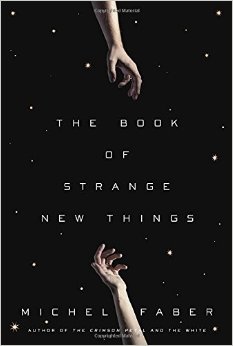
—Michael Faber, The Book of Strange New Things[post]
—Andy Weir, The Martian[post]
—Henry Marsh, Do No Harm
—Richard Preston, The Hot Zone
—Audrey Niffenegger, The Time Traveler’s Wife
—Alan Jacobs, Reverting to Type
07/01/2015——————————–
—Paula Hawkins, The Girl on the Train
—William Gibson, Zero History
—Bill Bryson, A Walk in the Woods
—William Gibson, Spook Country
—William Gibson, Pattern Recognition
—Roger Kahn, Rickey & Robinson[post][post]
—Evelyn Waugh, Unconditional Surrender[post]
—Neal Stephenson, seveneves
—Evelyn Waugh, Officers & Gentlemen[post]
—Chris Kyle, American Sniper
—John Banville, The Book of Evidence
—Evelyn Waugh, Men at Arms[post]
—Jesmyn Ward, Salvage the Bones
—Olen Steinhauer, All the Old Knives
—C.S. Lewis, The Abolition of Man
—Erin Morgenstern, The Night Circus[post]
—D.M. Pulley, The Dead Key
—J.R.R. Tolkien, The Return of the King
—Rick Atkinson, The Guns at Last Light
—T. Keller, Every Good Endeavor
—J.R.R. Tolkien, The Two Towers
—J.R.R. Tolkien, The Fellowship of the Ring
—M. Pitre, Fives and Twenty-fives
—C. Beha, Arts & Entertainments
—Paul Johnson, Churchill
—Stephen L. Carter, Back Channel
i J. Wright, Count to a Trillion
—H. Schultz & R. Chandrasekaran, For Love of Country
—Martin Rowson, The Waste Land
—H. Wouk, The Hope
—T. Stevens, The Informationist
—Victoria Blake, ed., Cyberpunk
i J. Jones, From Here to Eternity
—Billy Waugh, Hunting the Jackal
—C. Potok, The Chosen
—P. Cornell, London Falling
i Irène Némirovsky, Suite Française
—Thomas Cahill, Heretics and Heroes—
01/01/2015——————————–
—D. O’Malley, The Rook
i C. Nuttall, Ark Royal
—Orson Scott Card, Ender’s Game
—Laura Hillenbrand, Unbroken
—David Ignatius, The Director
—Micah
—John Muirhead, Those Who Fall
—John Scalzi, Lock In
—Eric Metaxas, Miracles
—W. Williams, This is not a Game
i W. Ochse, Velvet Dogma
—Marcus Sakey, A Better World
—W.T. Levy, Affectionately, T.S. Eliot
i A. McGrath, If I Had Lunch with C.S. Lewis
—Tracy Kidder, Strength in What Remains
—William Gibson, The Peripheral
—Shakespeare, “Richard III”
—Marcus Sakey, Brilliance
—Justin Go, The Steady Running of the Hour
—Neil Gaiman, Neverwhere
—A. Doerr, All the Light We Cannot See
—Emily St. John Mandel, Station Eleven
10/25/2014——————————–
AC = Audio course
i = abandoned
Old favorite
New favorite
Best of the best